


Mud season is part of horse ownership. Wet fields, muddy legs and dirty rugs are almost impossible to avoid. But the real challenge is not keeping your horse spotless.
It is preventing constant moisture and mud from turning into skin irritation, mud fever or hoof problems.
The best mud season routine is therefore not about cleaning more. It is about checking more, drying properly and knowing where problems are most likely to start.
Muddy legs: clean less, check more
When your horse comes in covered in mud, reaching for the hose may seem like the obvious solution. But washing the legs every day also means repeatedly making the skin wet.
If the mud is superficial and the skin underneath is healthy, let it dry and brush it away with a firm grooming brush, such as an Emmers Brush or one from Grooming Deluxe.
When washing is necessary, dry the legs thoroughly afterwards, especially around the pasterns and heels.

Watch out for mud fever
One of the biggest concerns during wet weather is mud fever, also known as pastern dermatitis or “mok”. The lower legs are particularly vulnerable when they are repeatedly exposed to wet and muddy conditions.
Check the pasterns and heels daily for redness, cracks, scabs, swelling, heat or sensitivity. Spotting changes early can prevent a small irritation from becoming a bigger problem.
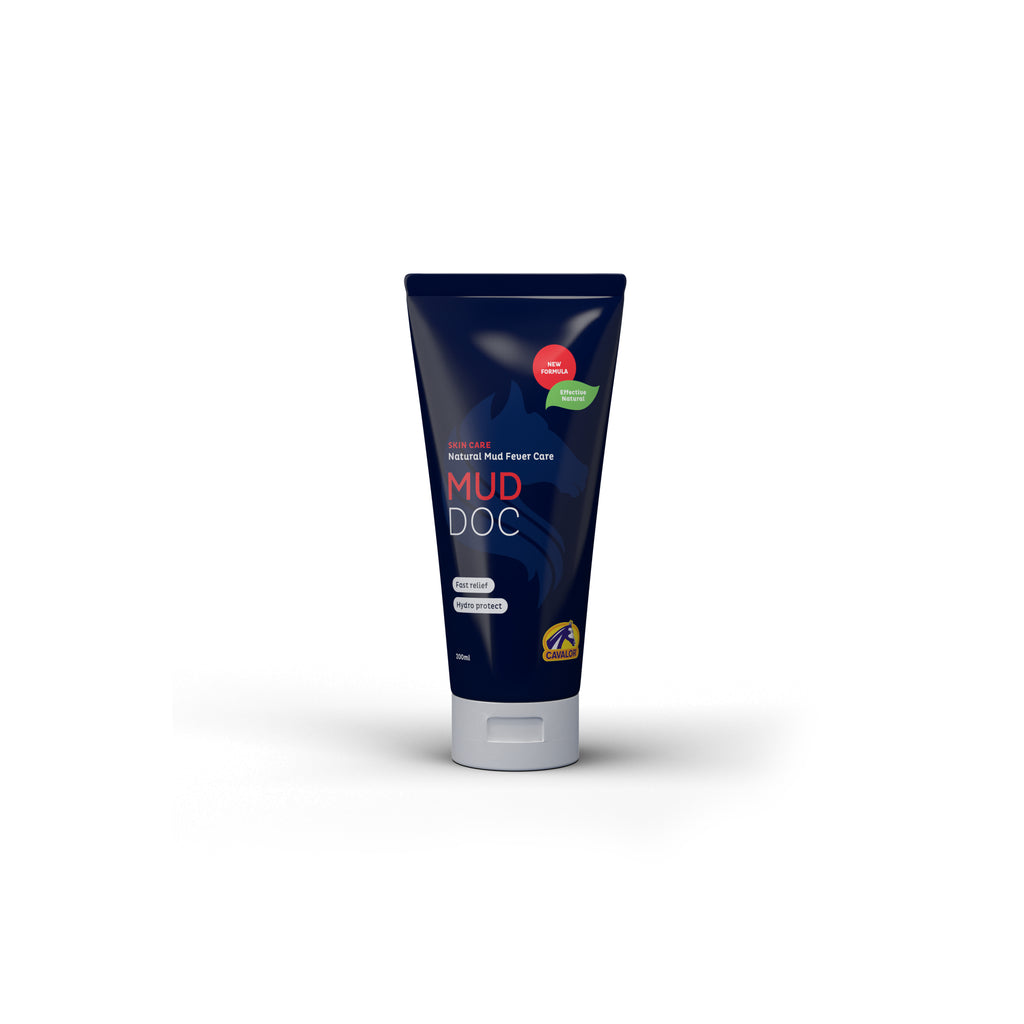
For horses that are sensitive during wet months, targeted care can help. At Emmers Equestrian, options include Cavalor MudDoc for mud fever-prone skin and TRM Equizal Natural Barrier Cream to create a moisture-resistant barrier.
If the skin becomes painful, swollen or broken, or does not improve, contact your veterinarian.
Do not forget the hooves
Your horse's hooves spend just as much time in wet ground.
Pick them out daily and check the frog, sole and hoof wall for unusual smells, changes in texture, cracks or sensitivity. An Emmers Hoof Pick With Brush is a simple stable essential for removing packed mud while inspecting the hoof.
If prolonged wet conditions are making the hooves particularly soft, a product such as Keratex Hoof Hardener can provide additional support.
And of course, keep up with regular farrier appointments throughout the wet season.

Give wet rugs time to dry
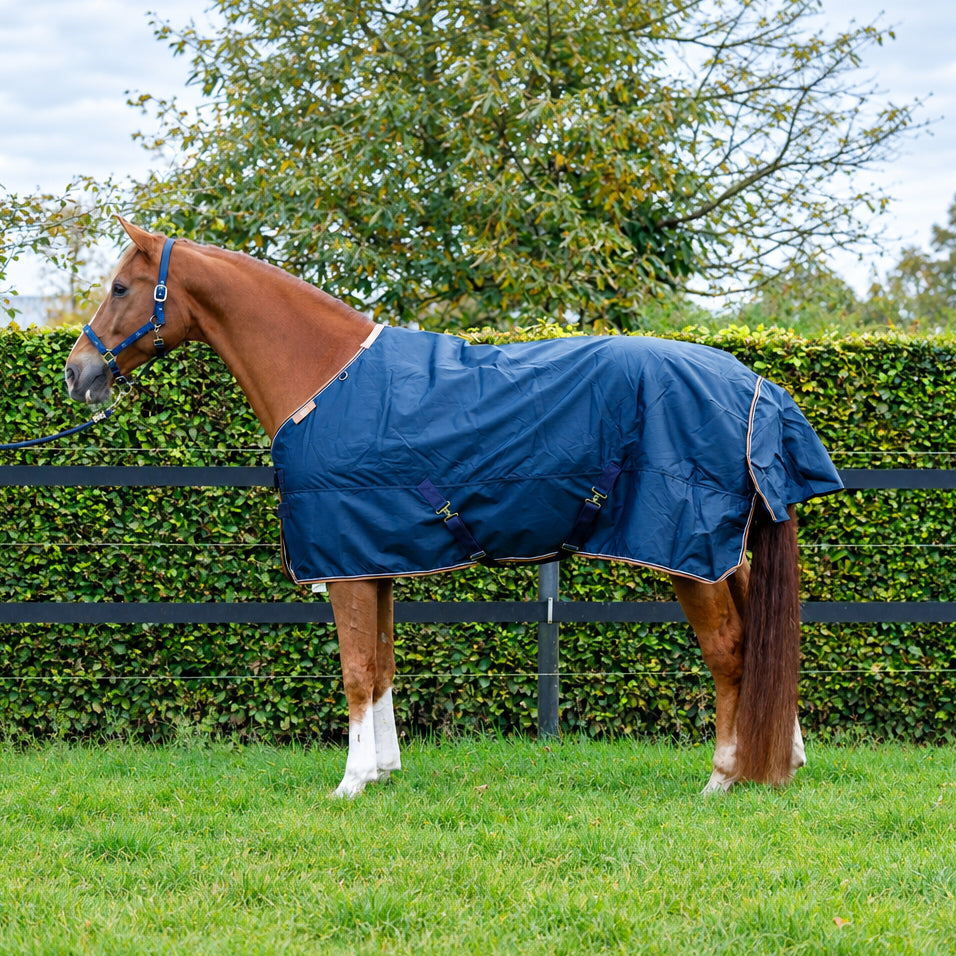
Do not judge a turnout rug by the mud on the outside alone. Check underneath it too.
Is your horse dry? Has moisture come through? Is the rug rubbing anywhere? Is it still sitting correctly?
Once dry, superficial mud can usually be brushed away instead of washing the rug after every muddy turnout. If the inside is wet, let it dry completely before using it again.
Emmers offers turnout rugs from brands such as Horseware, Kentucky Horsewear, Bucas and Emmers Equestrian, making it easier to choose suitable protection for changing autumn and winter conditions.
Build a five-minute mud routine
You do not need an elaborate routine every time your horse comes in. Consistency matters more.
Keep your mud-season essentials together: a firm grooming brush, hoof pick, clean towels, suitable skin care for mud fever-prone horses and hoof care. Then spend a few minutes checking the areas that matter most: pasterns, heels, hooves and anywhere wet equipment touches the horse.
At Emmers Equestrian, you can find grooming and care essentials from brands including Cavalor, Effol, Foran, Leovet, Grooming Deluxe and Emmers itself.
FAQ: horse care during mud season
Should I wash muddy horse legs every day?
Not necessarily. If the mud can dry and be brushed away, washing may not be needed. When you do wash the legs, dry them thoroughly afterwards.
What are the first signs of mud fever?
Look for redness, cracks, scabs, swelling, heat or sensitivity, particularly around the pasterns and heels.
What can I use for a horse prone to mud fever?
Products such as Cavalor MudDoc or TRM Equizal Natural Barrier Cream can be useful additions to your mud-season routine. The right approach depends on your horse's skin and whether you are protecting healthy skin or dealing with an existing problem.
How often should I pick out my horse's hooves?
Daily is a good routine during wet weather, particularly after turnout. It also gives you the chance to notice changes early.


