


Every September, Lanaken becomes one of the places to watch for the future of showjumping. The FEI WBFSH Jumping World Breeding Championship for Young Horses brings talented five-, six- and seven-year-old horses together at Domein Zangersheide.
For a young horse, however, a championship like Lanaken involves much more than jumping the course. Travelling, temporary stables, busy warm-ups and several days away from home can all add extra pressure.
Good preparation is therefore less about bringing everything you own and more about bringing the right things. Familiar equipment, a consistent routine and some extra attention to stress and recovery can make competition days much easier.
Here are seven competition essentials worth considering when travelling with a young horse.
1. A familiar, well-fitting bridle
A major competition is not the ideal moment to experiment with completely new tack.
A familiar bridle gives a young horse some consistency in an unfamiliar environment. Before travelling, check the fit carefully around the headpiece, browband and noseband and look for areas that could start rubbing after several days of riding.
The same applies to the bit. Unless there is a clear reason to change, stick with a setup your horse already understands.
At Emmers Equestrian, brands such as Dy’on, TRUST Equestrian and CWD offer different approaches to bridles and tack. Whatever you choose, fit, comfort and clear communication should come before what happens to be popular in the competition ring.
2. FEI-approved leg protection for young horses
Leg protection deserves extra attention when competing internationally with a young horse.
Young horses are still developing their balance and coordination, making protection against knocks and interference particularly useful. At an FEI young horse competition, however, you cannot simply use any hind boots.
The FEI has specific rules for hind boots used in international competitions for young horses. Requirements apply to their construction and fastening, while equipment worn on each individual leg is also subject to a maximum permitted weight.
So, the boots you use at home may not automatically be allowed at Lanaken.
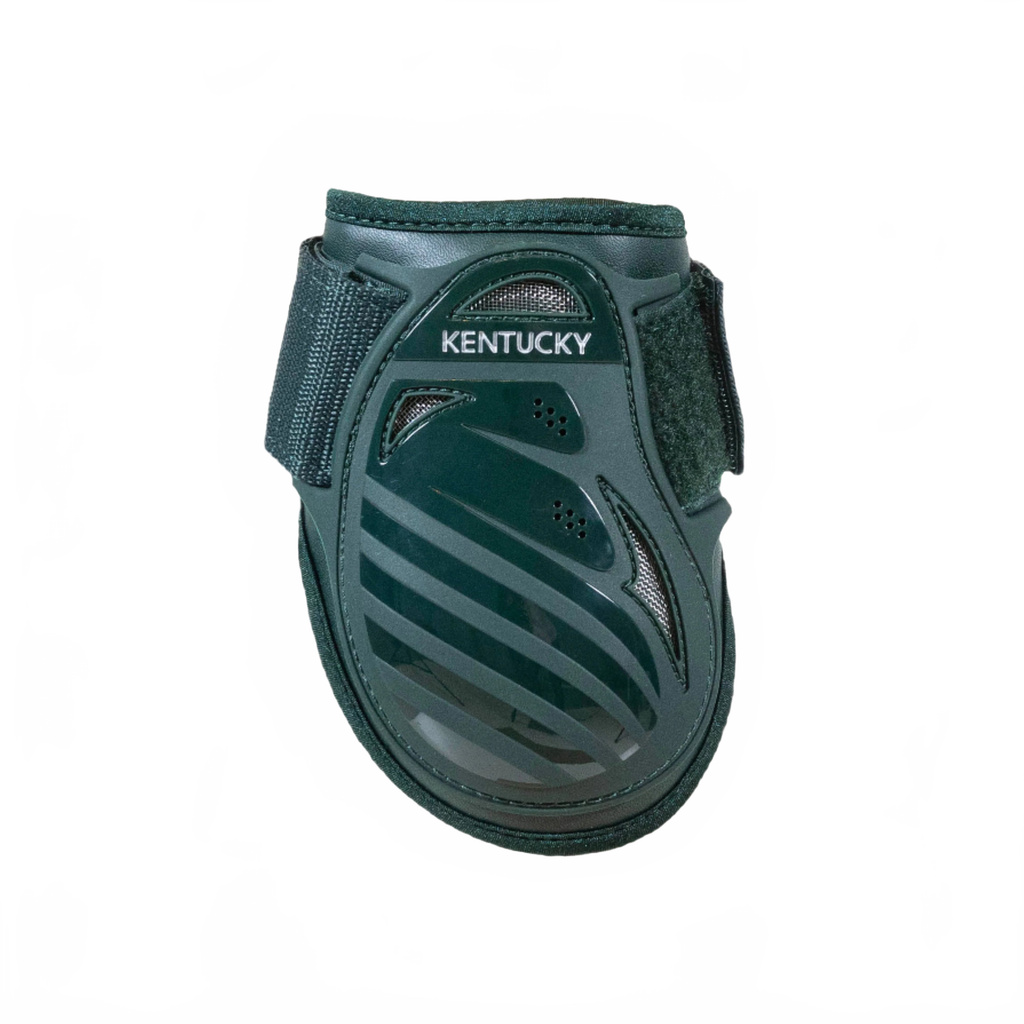
Two relevant options available at Emmers Equestrian are the Kentucky Horsewear Fetlock Boots Young Horse and the Veredus Young Jump Vento Hind. Both are specifically aimed at young jumping horses, making them useful models to consider when putting together a competition setup for young horse classes.
Still, never rely on the product name alone. Before travelling, always check whether the exact model you intend to use complies with the latest FEI rules for your class. The FEI TackApp is a useful place to check the current requirements.
Fit is equally important. Boots should stay securely in place without restricting movement or creating unnecessary pressure. After riding, remove them and check the legs for heat, rubbing or sensitivity.
And make sure your horse has already worn its competition boots at home. Lanaken should not be the first test.
3. Extra support for a sensitive stomach
Competition stress does not always look like a nervous horse.
Some young horses remain relatively calm but eat less once they are travelling or staying in unfamiliar stables. Changes in routine, feeding times and turnout can all affect the digestive system.
Forage, fresh water and a consistent feeding routine should always come first. For horses that are sensitive around the stomach, additional nutritional support can also become part of their competition routine.
Emmers Gastro Balance, for example, is designed to support the stomach and digestive system and contains ingredients including sodium bicarbonate, magnesium oxide, zeolite, spirulina and chamomile. Emmers Equestrian also offers digestive support from equine nutrition brands such as Cavalor, Equine America and Intibio.
If you know your young horse becomes sensitive while travelling, introduce nutritional support before the competition rather than waiting until you arrive in Lanaken.
Persistent appetite loss, discomfort or behavioural changes should always be discussed with a veterinarian.
4. Calming support without losing focus
A young competition horse does not need to be tired to be manageable. You still want enough energy and responsiveness to perform.
Some horses that are relaxed at home can find the atmosphere of a championship overwhelming. Before reaching for a calming supplement, look at the complete picture. Could you arrive earlier? Hand-walk before riding? Choose a quieter moment in the warm-up? Is your horse eating and drinking normally?
For horses that need additional support, calming supplements from equine nutrition brands such as Cavalor can be incorporated into an established competition routine.
Avoid introducing a completely new calming product at an important event. You want to support concentration, not unexpectedly change how your horse feels.
For FEI competitions, always check the ingredients and competition suitability of supplements beforehand. Natural does not automatically mean competition-safe, so FEI Clean Sport requirements should always be considered.
5. Energy support for the final days
The horse you unload on day one may feel very different by the final day.
Travelling, schooling, competing and simply processing a new environment all require energy. After several days, some young horses may start to feel slightly less fresh.
Before reaching for an energy booster, check the basics: is the horse eating enough, properly hydrated and getting enough rest?
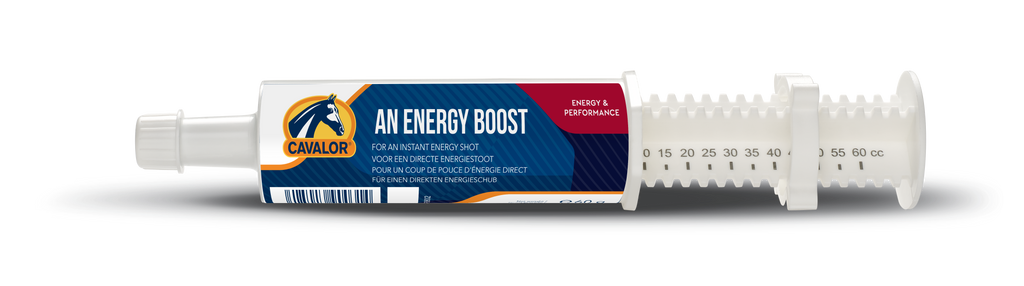
Electrolytes and performance nutrition can form part of an established competition routine, and brands such as Cavalor and Global Medics offer products aimed at supporting horses around exercise and demanding competition periods.
But every young horse is different. A naturally sharp horse may need no additional energy at all, while another may benefit from extra nutritional support over several days.
Avoid testing a new energy product on the morning of an important final. Know how your horse responds beforehand and always check competition suitability under FEI rules.
Sometimes the best energy support is simply good forage, proper hydration and a quiet night.
6. Grooming and recovery essentials
Your competition grooming kit does not need to contain your entire tack room.
Bring the products you actually use: brushes, hoof care, mane and tail products, towels and basic leather care. Grooming Deluxe and Kentucky Horsewear offer plenty of practical grooming equipment for both home and competition use.
With a young horse, grooming also creates a familiar moment in a very unfamiliar environment.
Recovery is just as important. After riding, walk your horse out properly, check the legs and give them enough time to recover.
Depending on your normal routine, products such as cooling gel, cooling clay, ice boots or therapy products can provide additional support. Veredus and Kentucky Horsewear offer different cooling and leg-care options, while Equilibrium products can be incorporated into established massage and therapy routines.
These products support recovery, but never replace walking, hydration, forage and rest.
7. Familiar stable and travelling essentials
Temporary competition stables can be busy places for a young horse. Horses pass through the aisles, announcements are playing and activity can continue throughout the day.
A few familiar items can make the environment feel more normal.
Where practical, bring the hay bag, slow feeder or buckets your horse already knows. Kentucky Horsewear offers a wide range of stable and travelling equipment, including practical products for competition setups.
A cooler or sweat rug is another useful addition after exercise, while a familiar stable toy can help some horses settle if they regularly use one at home.
Most importantly, try to maintain normal feeding, grooming and rest times. For a young horse, routine may be one of the most valuable competition essentials you bring.
Good preparation starts before Lanaken
The best time to prepare for Lanaken is before you arrive.
Practise travelling, ride in unfamiliar arenas and allow your horse to experience busier competition environments. Use the bridle, bit and leg protection you intend to compete in beforehand.
The same applies to nutrition. If stomach support, calming supplements, electrolytes or energy support will be part of your competition routine, find out how your horse responds before an important championship.
Once in Lanaken, give your horse time to take in the surroundings. Success with a young horse is not only measured by the result list. A horse that travels well, eats normally and becomes more confident throughout the competition has gained valuable experience too.
Ready for Lanaken?
Preparing a young horse for a championship is about finding the balance between performance and education.
Bring equipment your horse already trusts, check your leg protection against the latest FEI rules and keep routines as familiar as possible. Think about the stomach, stress, hydration, energy and recovery over the entire competition rather than only focusing on the minutes spent in the arena.
At Emmers Equestrian, you can find competition essentials from brands including Dy’on, TRUST Equestrian, Veredus, Kentucky Horsewear, Grooming Deluxe, and Cavalor, alongside Emmers' own horse-care and nutritional products.
Because with a young horse, good preparation is not only about the next round. It is about building confidence and experience for the competitions still to come.
Frequently Asked Questions
What leg protection can young horses wear at FEI jumping competitions?
The FEI has specific requirements for hind boots used on young horses in international jumping competitions. Always check the latest FEI Jumping Rules and FEI TackApp for the boots you intend to use.
Can I give my young horse calming supplements at a competition?
Calming nutritional support can be useful for some horses, but it should ideally already be part of an established routine. Always check that products are suitable for competition under FEI Clean Sport requirements.
How can I support my young horse's stomach while travelling?
Keep access to forage and water as consistent as possible and avoid sudden feeding changes. Horses that are sensitive during travelling may also benefit from digestive support that has already been introduced at home.
Does a young horse need an energy booster during a multi-day competition?
Not necessarily. First make sure the horse is eating, drinking, resting and recovering properly. Energy or performance support may be useful for some horses, but should be tested beforehand rather than introduced at an important competition.
How can I help my young horse stay relaxed at Lanaken?
Give your horse time to settle, maintain familiar routines and use equipment it already knows. Arriving early, hand-walking and choosing quieter moments to ride can all help a young horse adjust to the competition environment.


