


The first cold morning arrives, the fields are wet and suddenly rugs start appearing everywhere at the yard. But does that mean your horse needs one too?
Not necessarily.
Autumn is one of the hardest seasons to get rugging right. Cold nights can be followed by mild afternoons, while rain and wind can make an otherwise reasonable temperature feel completely different. Add clipping, changing coats and different turnout routines, and there is no single date or temperature that works for every horse.
The best rule for autumn is simple: don’t rug by the calendar. Rug for the conditions and for the horse in front of you.
So, when should you start rugging your horse?
There is no universal temperature at which a horse needs a rug.
An unclipped horse with a healthy autumn coat, plenty of forage and access to shelter may be comfortable without one for quite some time. A fully clipped competition horse in the same field could need additional protection much sooner.
Before reaching for a horse rug, consider:
-
whether your horse is clipped
-
coat thickness
-
age and body condition
-
workload
-
time spent outside
-
access to shelter
-
rain and wind
-
whether your horse naturally tends to run warm or cold
Temperature charts can be useful as a rough guide, but they cannot tell you exactly what your individual horse needs.
In autumn, rain and wind change everything
A common mistake is looking only at the temperature.
Imagine two autumn days at the same temperature. One is dry, sunny and still. The other brings hours of rain and strong wind. For your horse, those two days can feel very different.
A natural coat helps keep a horse warm by trapping insulating air close to the body. Prolonged rain and wind can reduce how effectively that coat does its job.
That is also why the first autumn rug does not necessarily need to be a warm one.
During relatively mild but wet weather, a lightweight waterproof turnout or horse rain blanket can provide protection against the elements without immediately adding lots of insulation.
This is where lighter turnout rugs can be useful. Within the Emmers Equestrian assortment, for example, you will find lightweight turnout options from brands such as Horseware, Bucas, Kentucky Horsewear and Aloga Equestrian.
The goal is not to make your horse as warm as possible. It is to keep them comfortably protected for the conditions they are actually facing.

Clipped or unclipped? It makes a big difference
As daylight hours decrease, horses naturally start developing their winter coat. For an unclipped horse, this provides valuable insulation as summer turns into autumn and eventually winter.
Clipping changes that.
Horses in regular training are often clipped because a thick winter coat can make them sweat more during exercise and take longer to dry afterwards. Once some or all of that coat has been removed, however, the horse also loses part of its natural insulation.
A clipped horse will therefore generally need a rug sooner than an unclipped horse.
Even then, there is no one-size-fits-all rule. A horse with a small partial clip still has considerably more natural coat than a fully clipped horse. Look at how much coat remains, the horse's workload and the conditions they live in.
Start light and build up when necessary
Going from no rug straight to a heavy winter rug after the first cold night is rarely necessary.
Autumn is a transition season, and a flexible rugging system makes it much easier to respond to changing weather.
During mild rain, a lightweight waterproof turnout may be enough. When colder conditions become more consistent, you can move towards additional insulation.
For example, the Bucas Freedom Turnout and Irish Turnout ranges offer options for different weather conditions. Within Horseware Ireland, the Amigo and Rambo horse rug ranges also include turnout rugs suited to different stages of the season.
For colder autumn conditions, a rug such as the Amigo Bravo 12 Plus Turnout Medium is an example of how you can add more insulation while maintaining the weather protection needed outside.
Another useful option is layering. Selected Horseware rugs can be combined with compatible horse rug liners. Instead of needing a completely different rug every time conditions change, a rug liner allows you to adapt the amount of insulation underneath the outer rug.
This can be particularly practical in autumn, when the difference between one week and the next can be significant.

How do you know if your horse is wearing the right rug?
The simplest answer is to check your horse regularly.
Feel underneath the rug around the chest, shoulders and behind the withers. You want your horse to feel comfortably warm and dry.
If the skin feels hot or damp, or your horse is sweating underneath the rug, they may be wearing too much.
If your horse is consistently cold, tense or shivering, they may need more protection.
Do not rely only on cold ears or legs. Instead, look at the whole horse. Are they relaxed? Maintaining condition? Eating normally? Are they constantly seeking shelter when the weather changes?
Regular checks are especially important during autumn because the rug that works on a cold, wet morning may be too warm when the sun comes out later in the day.
Choose a rug for the situation
Rather than searching for one horse rug that will somehow work throughout the entire season, think about the situations your horse regularly encounters.
Mild but wet weather
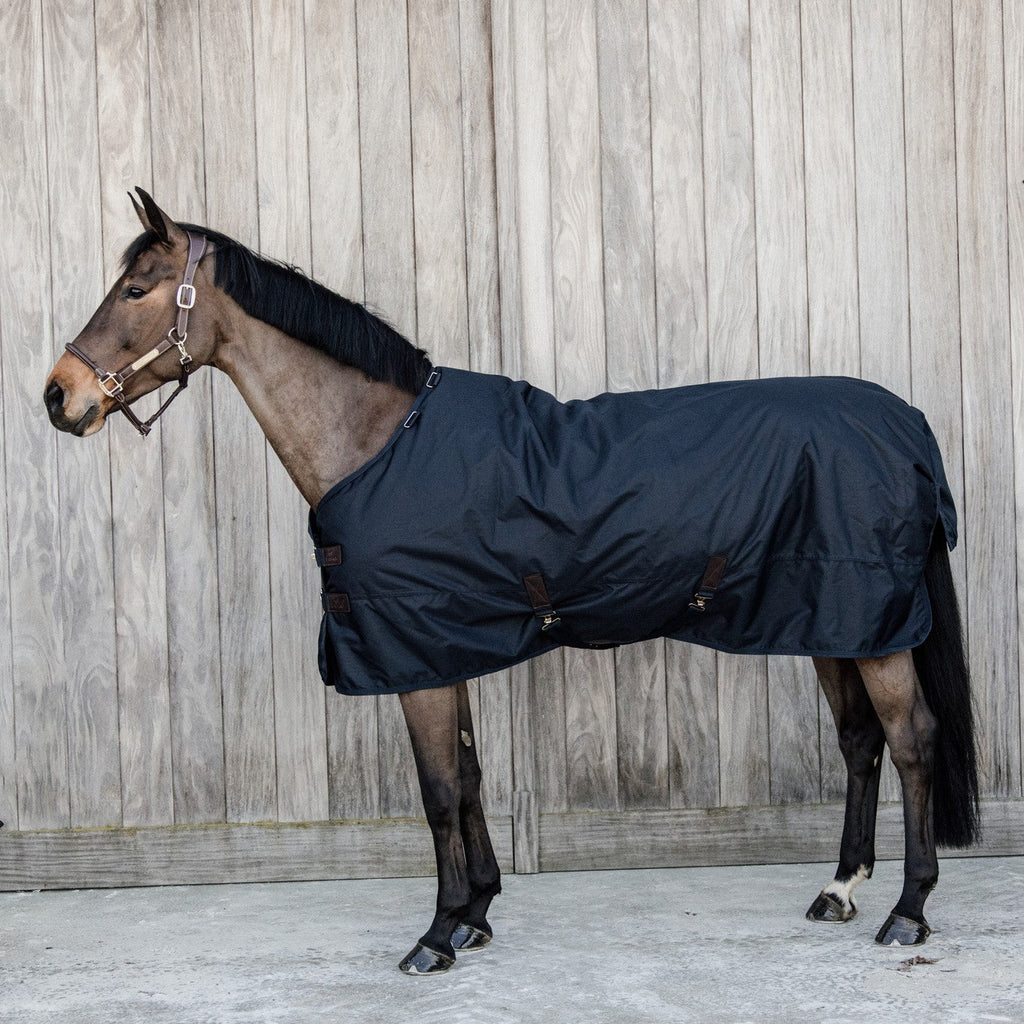
When temperatures are still relatively comfortable but autumn rain arrives, waterproof protection may be more important than warmth.
A lightweight turnout or rain sheet can help keep your horse dry without adding unnecessary insulation. Lightweight options from ranges such as Kentucky Horsewear All Weather, Horseware Amigo and Bucas can be useful in these conditions.
Colder turnout days
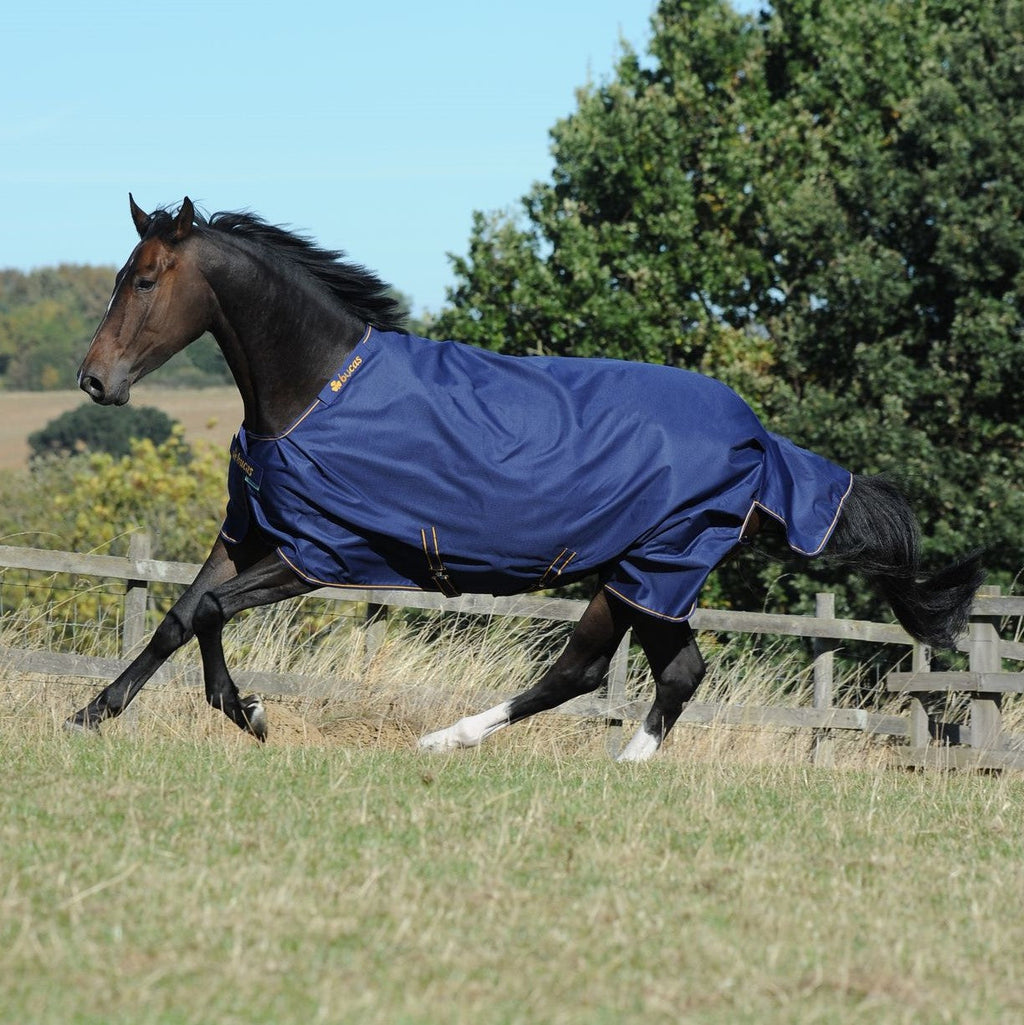
As autumn progresses and colder weather becomes more consistent, some horses will benefit from additional insulation.
This is where mediumweight turnout blankets, such as options within the Amigo Bravo 12, Bucas Irish Turnout or similar ranges, become more relevant – particularly for clipped horses.
In the stable
Stable rugs have a different purpose. They provide insulation indoors and do not need the same waterproof outer layer as turnout blankets.
A horse standing in a sheltered stable may therefore need a different rug setup from the same horse spending several hours outside in wind and rain.
After exercise
Do not forget the period immediately after riding.
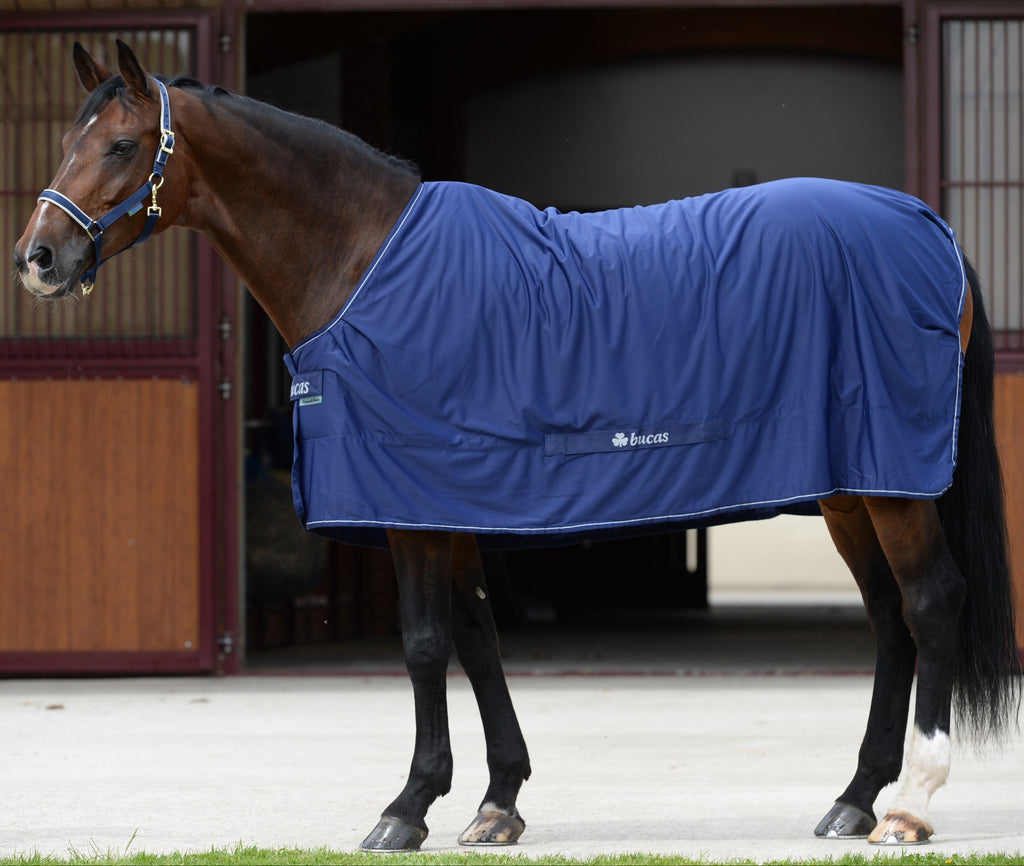
A horse that has worked and sweated needs time to cool down and dry. Walk your horse until their breathing has recovered and use an appropriate cooler when necessary.
The Bucas Power Cooler is one example within the Emmers Equestrian assortment designed for this part of the routine. Once your horse is sufficiently dry, you can change to the stable or turnout rug that suits the conditions afterwards.
Fit matters just as much as warmth
A warmer rug is not automatically a better rug – and neither is a rug that does not fit properly.
Your horse should be able to walk, graze, roll and move naturally. Check particularly around the shoulders, withers and chest.
A rug that is too restrictive can cause rubbing and pressure. One that is too loose may shift or rotate during turnout.
Different brands also have different cuts and front closures. A Rambo horse rug may sit differently from an Amigo, Bucas, Kentucky or Aloga Equestrian rug on the same horse.
The best horse rug is therefore not simply the one with the right level of insulation. It also needs to suit your horse's build and allow freedom of movement.
Keep checking the fit throughout the season too. Horses can gain or lose condition, and clipping can change how a rug sits.
Build a flexible autumn rugging system
The aim is not to collect a rug for every possible temperature.
Instead, build a setup that gives you flexibility.
For many horses, that might mean having a lightweight waterproof turnout for mild and wet days, a warmer turnout for colder conditions and a cooler for after exercise. Compatible horse rug liners can add another layer of flexibility when needed.
Brands such as Horseware Ireland with Rambo and Amigo, Bucas, Kentucky Horsewear and Aloga Equestrian offer different ways to build such a setup.
Which combination works best depends on your horse.
And that is ultimately the most important point.
Frequently asked questions
At what temperature should I put a rug on my horse?
There is no universal temperature at which every horse needs a rug. Coat thickness, clipping, age, body condition, shelter, wind and rain all influence how much protection an individual horse needs.
Does an unclipped horse need a rug in autumn?
Not necessarily. A healthy unclipped horse develops a natural winter coat that provides insulation. Depending on the horse and its living conditions, this may provide sufficient protection well into autumn.
Should a clipped horse be rugged earlier?
Generally, a clipped horse will need additional protection sooner because some of its natural insulating coat has been removed. How much protection is needed depends on the type of clip, weather and individual horse.
Is a rain sheet enough in autumn?
For some horses during mild but wet weather, yes. A breathable waterproof rain sheet can provide protection from rain without adding significant insulation. As temperatures fall, some horses may need a warmer turnout rug or additional layer.
How can I tell if my horse is too warm under a rug?
Check underneath the rug around the chest, shoulders and behind the withers. If your horse feels hot, damp or sweaty, the rug may be too warm. Regular checks are particularly important during changeable autumn weather.


