


Your horse suddenly feels harder to ride on one rein. Your lower leg does not stay as quiet as it used to. Or the balance towards a fence feels slightly different, even though nothing obvious has changed in your training.
The saddle may not be the first thing you think about.
But it is the one piece of equipment that has to work for two athletes at the same time. A saddle needs to give the horse freedom to use its back and shoulders, while helping the rider stay balanced and communicate clearly.
That is why choosing a saddle is about more than finding a premium brand. CWD Sellier, Prestige and Erreplus all offer high-quality saddles, but the most important question remains: which saddle works best for your horse, your body and the way you ride?
How saddle fit affects your horse
A horse’s back is constantly moving underneath the saddle.
The shoulders need room to move, the back changes shape throughout each stride and the horse needs to be able to use its body freely. During jumping, those demands become even greater.
A well-fitting saddle should distribute the rider’s weight and remain balanced without unnecessarily interfering with that movement.
When the fit is not quite right, the signs can be subtle. You might notice that your horse:
-
feels less willing to move forward
-
becomes more difficult on one rein
-
feels tighter through the back
-
struggles to maintain the same rhythm
-
becomes sensitive around the saddle area
-
starts jumping or moving differently
These signs do not automatically mean the saddle is responsible. Training, teeth, hooves and physical discomfort can cause similar changes. But saddle fit is worth considering when something starts to feel different.
Saddle fit matters for the rider too
The horse is only half of the equation.
The seat, flap and balance of a saddle influence where your pelvis sits and where your leg naturally falls. If the saddle does not suit your proportions or riding style, you may start compensating without even noticing it.
Perhaps you constantly have to bring your leg back into position. Maybe you tip forward on the approach to a fence or struggle to regain your balance after landing.
Over time, these corrections can start to feel like part of your riding.
In a saddle that suits you better, some of that effort can disappear. Instead of fighting to stay in position, the saddle allows you to move naturally with your horse.
CWD, Prestige or Erreplus: does the brand matter?
Yes – but perhaps not in the way you might expect.
Different saddle brands and models can give horse and rider a very different feeling. The shape of the seat, the position of the flap and the construction underneath the saddle can all influence how the combination works together.
CWD Sellier is particularly well known within show jumping and focuses strongly on the connection between horse and rider. Prestige offers a broad selection of saddles for different disciplines, while Erreplus is another premium saddle brand with different options for horse-and-rider combinations.
A rider may immediately feel comfortable in a CWD saddle, while another combination works better in a Prestige or Erreplus saddle.
That does not make one brand better than another.
Even two saddles from the same brand can feel very different. Instead of asking which saddle brand is best, the better question is:
Which saddle allows my horse and me to work best together?
A saddle has to fit the combination
A saddle can look perfectly fine while the horse is standing still and feel completely different once you start riding.
That is why saddle fitting should consider three things together:
-
the horse
-
the rider
-
the saddle
For the horse, factors such as balance, pressure distribution, clearance and freedom of movement matter. For the rider, the saddle should support a natural position without forcing the body forwards or backwards.
The final question is how everything works together once the horse starts moving.
A saddle that fits the horse but leaves the rider constantly fighting for balance is not the ideal solution. The same applies to a saddle that feels comfortable for the rider but does not work correctly for the horse.
Good saddle fit is about finding the balance between both.
Why a correctly fitted saddle can change over time
One of the most important things to remember is that horses change.
Training develops muscle. A period of rest can reduce it. Weight, age and seasonal changes can all affect the shape of the horse’s back.
Young horses can change considerably as they develop strength, but competition horses can also change throughout a season as their workload increases or decreases.
That means a CWD, Prestige or Erreplus saddle that fitted correctly before may need adjusting later.
The quality of a saddle does not make its fit permanent.
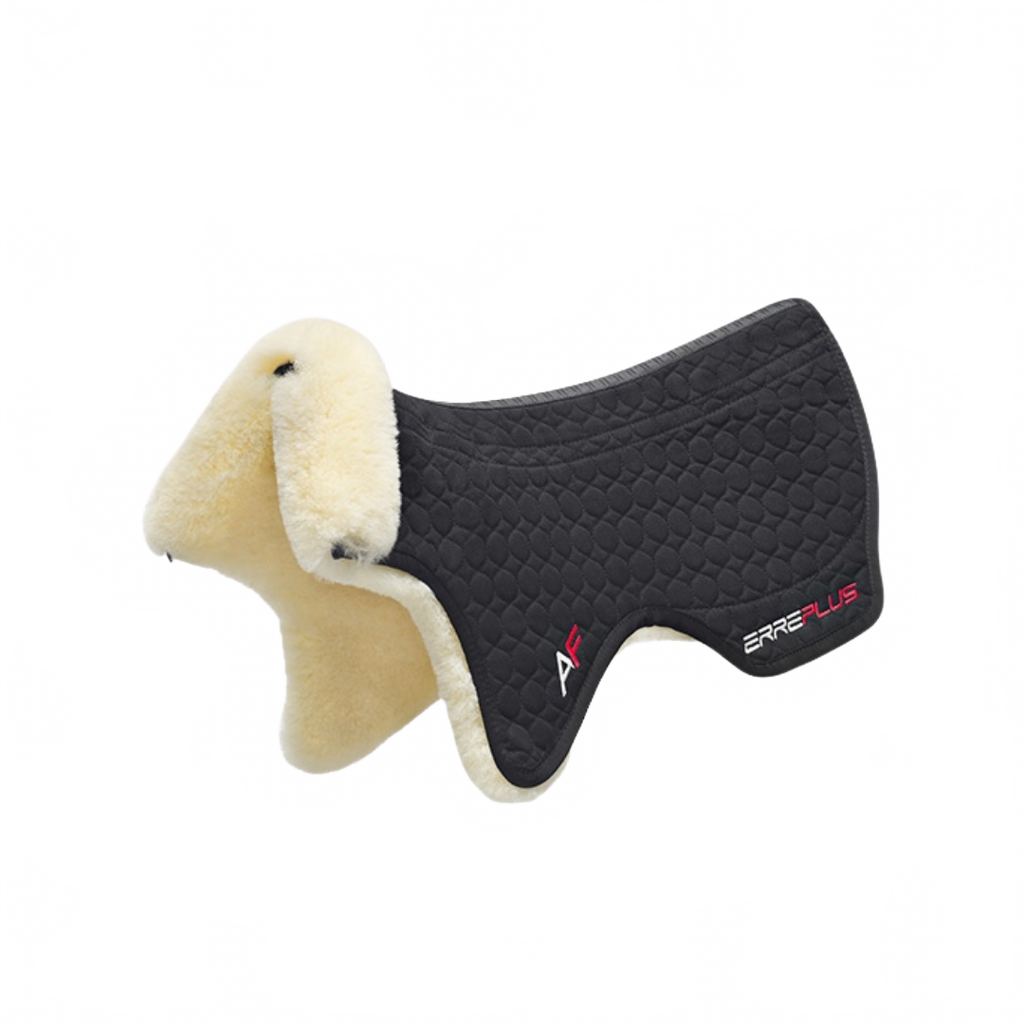
Can a saddle pad improve saddle fit?
Sometimes, but a saddle pad cannot solve every fitting problem.
A correction pad can help fine-tune an otherwise suitable setup when it is used for a specific reason. It can also be useful temporarily when a horse is changing shape and a saddle fitter recommends an adjustment.
Simply adding more padding is not always the answer. For example, placing a thick pad underneath a saddle that already offers too little space can make the situation worse.
A saddle pad should complement a suitable saddle, not compensate for one that fundamentally does not fit.
Don’t forget the rest of your setup
The saddle may be the foundation, but the equipment around it also plays a role.
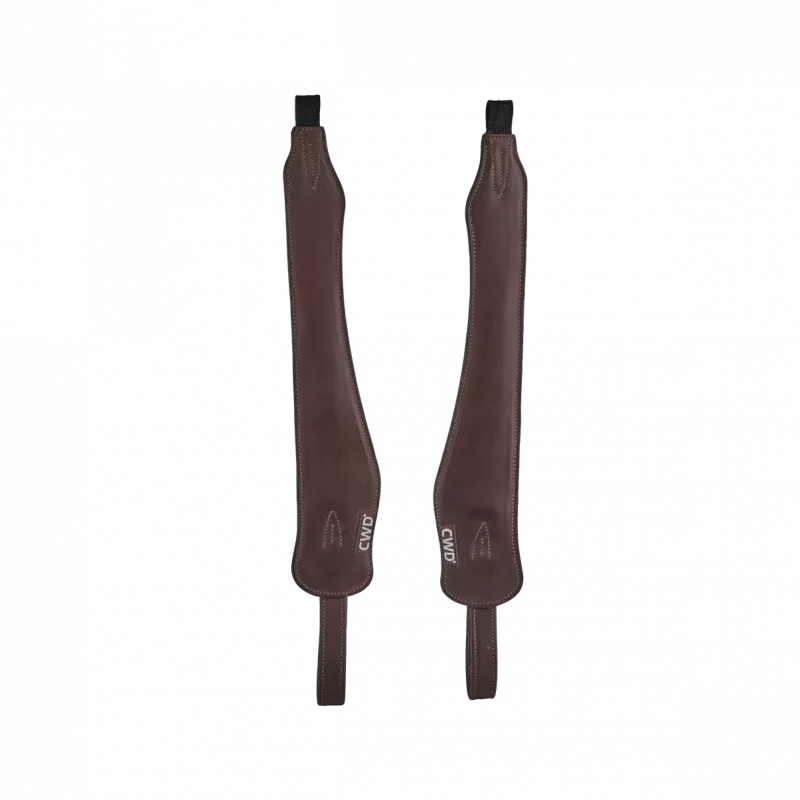
The girth should help stabilise the saddle without unnecessarily restricting the horse. Stirrup length and stirrup leathers influence the rider’s lower-leg position, while a breastplate can provide additional stability when needed.
For example, CWD stirrup leathers, bridles and breastplates can be combined with a CWD saddle to create a complete setup. But matching the brand is less important than making sure every piece fits and functions correctly.
A CWD breastplate may help prevent a saddle from moving backwards, but it should never be used to hold a poorly fitting saddle in place.
The same principle applies throughout your tack: equipment should support the horse and rider, not compensate for an underlying fitting problem.
When should you have your saddle checked?
There is no single schedule that works for every horse. Instead, pay attention to changes in your horse and the way your saddle feels.
Consider a saddle check when:
-
your horse gains or loses noticeable weight
-
muscle development changes
-
training intensity increases or decreases
-
your horse returns to work after a longer break
-
the saddle starts moving differently
-
your position suddenly feels less natural
-
your horse develops unexplained resistance under saddle
You do not necessarily have to wait until there is a clear problem. Regular checks can help identify smaller changes before they become more noticeable.
Finding the right saddle at Emmers Equestrian
When choosing a new saddle, specifications and brand names only tell part of the story.
The real test happens when horse, rider and saddle come together.
At Emmers Equestrian, our saddle fitting service looks at the complete combination. Your current saddle can be reassessed, or different saddles can be considered when you are looking for another option.
With saddle brands such as CWD, Prestige and Erreplus, there are different possibilities depending on your horse, discipline and personal riding preferences.
You may arrive expecting one particular brand and discover that another saddle gives your horse more freedom or puts you in a more natural position.
That is exactly why fitting matters.
The best saddle is the one that works for both of you
A saddle cannot replace good riding or correct training. But it should not make either more difficult.
When the saddle works for both horse and rider, you often notice it in relatively simple things. Your horse can move freely underneath you, your leg stays quieter and maintaining your balance requires less effort.
That is where saddle fit can make a real difference.
Whether you currently ride in a CWD saddle, are considering Prestige or Erreplus, or simply want to know whether your current saddle still fits, do not start with the logo.
Start with your horse. Add the rider. Then find the saddle that works for both.
Frequently Asked Questions about Saddle Fit
How can I tell if my saddle no longer fits?
Changes in saddle stability, your horse’s movement, sensitivity around the back or your own position can all be reasons to have the fit checked. These signs can have other causes, so a professional saddle assessment can help determine whether the saddle is contributing.
Is CWD better than Prestige or Erreplus?
There is no single saddle brand that is best for every horse and rider. CWD, Prestige and Erreplus offer different saddles, and individual models can fit and feel very different. The best choice depends on the horse, rider and discipline.
Does saddle fit affect jumping performance?
It can. The saddle influences the horse’s freedom of movement as well as the rider’s balance and lower-leg position. Both can play a role on the approach, over the fence and on landing.
How often should I have my saddle checked?
There is no universal interval. Training, age, weight, muscle development and periods of rest can all change the horse’s shape. If your horse or the way your saddle feels changes noticeably, it is sensible to have the fit reassessed.


